Understanding the WorldTour Format and Structure
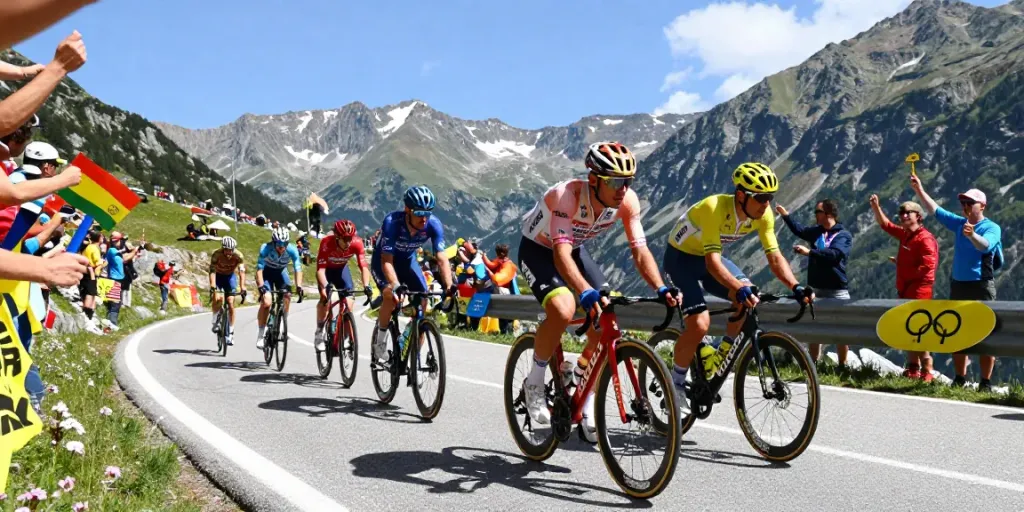
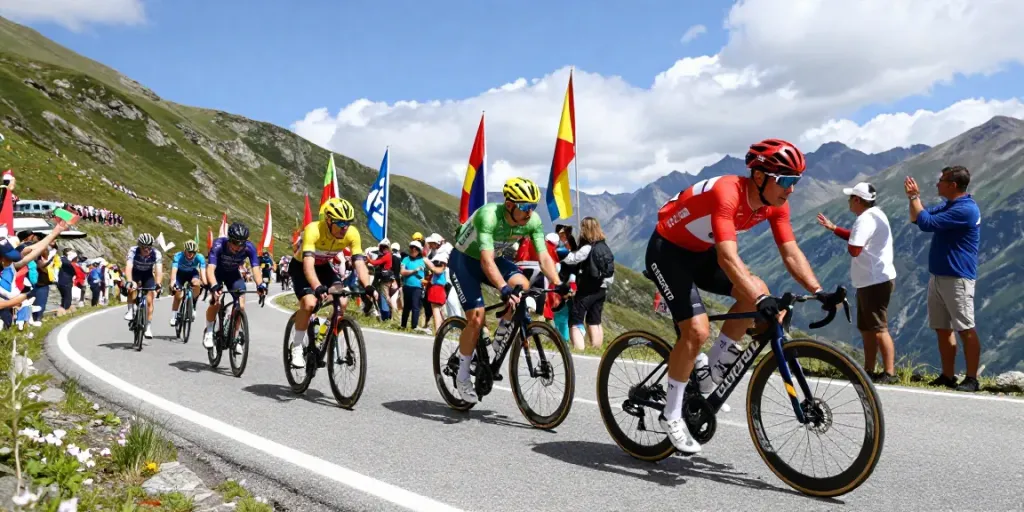
The WorldTour represents the pinnacle of professional men's road cycling, comprising a series of races that highlight the talent and endurance of the sport’s elite athletes. As we approach the 2026 season, an exciting array of events is set to unfold, showcasing both individual rivalries and team dynamics. This structured calendar is not just a roadmap for cycling enthusiasts but serves as a battleground where the best compete for glory. When exploring options, WorldTour offers comprehensive insights into these pivotal events and their implications for athletes and teams alike.
What is the WorldTour in Cycling?
The WorldTour is an annual series that features numerous prestigious races recognized by the Union Cycliste Internationale (UCI). It includes well-known events such as the Tour de France, Giro d’Italia, and Vuelta a España, among others. This elite competition structure is designed to challenge cyclists across diverse terrains and conditions, testing their physical limits and strategic acumen. Each race awards points that contribute to both team and individual standings, influencing rankings and prestige within the cycling community.
Key Events in the 2026 WorldTour Calendar
- Tour de France: Set to commence in July 2026, the Tour de France remains the crown jewel of the WorldTour, featuring mountainous stages and flat sprints that allure the world’s best riders.
- Giro d’Italia: This iconic race will take place in May 2026, celebrating its usual spectacle of climbing and endurance.
- Vuelta a España: The Vuelta, which typically occurs in September, promises thrilling competition as cyclists battle through Spain's varied terrains.
- Classics: Spring classics like Paris-Roubaix and the Tour of Flanders continue to be crucial for cyclists aiming to establish dominance in one-day races.
The Role of National Teams and Athletes
National teams play a significant role during the WorldTour events, providing a platform for athletes to represent their countries on an international stage. Each team is comprised of a diverse lineup of riders, blending experience with emerging talent. The interaction between seasoned professionals and up-and-coming cyclists often leads to unexpected results, particularly in challenging races. As teams strategize to maximize their standings, the dynamics of teamwork and individual prowess become central to their success.
Preparing for the WorldTour: Training Strategies
Essential Training Regimens for Cyclists
To excel at the WorldTour level, athletes must engage in rigorous training regimens tailored to their individual strengths and weaknesses. Strength training, endurance workouts, and speed sessions are fundamental components of their preparation. Cyclists often utilize periodization—a training strategy that cycles through phases of intense work and recovery—to enhance performance while minimizing the risk of injury. This meticulous approach ensures they peak at the right moment, particularly for major races like the Tour de France or the Giro d’Italia.
Nutrition and Recovery for Optimal Performance
Nutrition is a cornerstone of any cyclist's training plan. A well-balanced diet rich in carbohydrates, proteins, and healthy fats fuels the long hours of training. Cyclists are increasingly focusing on personalized nutrition plans that consider their metabolic rates and specific energy needs. Meanwhile, recovery strategies, including proper hydration, sleep, and physiotherapy, are crucial for maintaining peak physical condition throughout the demanding season.
Mental Preparation Techniques for Competitors
The mental aspect of cycling cannot be understated. Top athletes employ various techniques to enhance focus and resilience. Visualization, mindfulness, and mental rehearsal are common practices that help cyclists prepare for the pressures of competition. In a sport where psychological strength can determine success, mastering the mental game is as vital as physical training.
Analyzing Past WorldTour Performances
Notable Athletes and Their Achievements
In recent years, several cyclists have made their mark on the WorldTour, showcasing extraordinary talent and grit. Riders like Tadej Pogačar and Mathieu van der Poel have emerged as dominant forces, each bringing unique strengths to their performances. Pogačar's climbing prowess and tactical acumen have earned him multiple Tour de France titles, while van der Poel's versatility across various terrains has secured his status as a favorite in both one-day races and stage events.
Lessons from Previous WorldTour Events
Analyzing past races offers invaluable insights into what it takes to succeed on the WorldTour circuit. For example, strategies that prioritize positioning during the final kilometers often lead to success in sprint finishes, demonstrating the importance of team dynamics and communication. Adapting to race conditions, such as weather changes and road surfaces, also plays a significant role in performance outcomes.
How Race Conditions Affect Performance
External factors like weather conditions, altitude, and road surfaces can dramatically influence race results. Cyclists must remain adaptable, adjusting their tactics and pacing strategies on the fly. During inclement weather, for instance, teams may alter their race strategies to prioritize safety while still competing effectively, showcasing the necessity for on-the-spot decision-making abilities.
WorldTour Cycling Gear and Technology
Innovations in Bicycles and Accessories for 2026
As technology continues to advance, so too does the equipment used in the WorldTour. Innovations in bicycle design, such as aerodynamic frames and lightweight materials, can provide competitive edges. 2026 sees the introduction of new gear, including smart accessories that track performance metrics in real-time, allowing cyclists and their teams to make informed tactical decisions during races.
The Impact of Technology on Race Strategies
The integration of technology in cycling has transformed race strategies. Data analytics now allow teams to assess performance trends and make tactical adjustments based on real-time insights. This data-driven approach enhances decision-making, helping teams optimize their strategies before and during races.
Choosing the Right Gear for Different Courses
Selecting appropriate gear for various terrains is crucial. Climbers benefit from lightweight bicycles, while sprinters may opt for more robust setups to handle high speeds. Teams must also consider weather conditions and the nature of each course when making gear selections, which can greatly influence race outcomes.
The Future of WorldTour Cycling Beyond 2026
Emerging Trends in Competitive Cycling
The future of WorldTour cycling is brimming with potential as emerging trends reshape the landscape. The growing emphasis on sustainability is prompting teams to adopt eco-friendly practices, paving the way for a new era in competitive cycling that balances performance with environmental responsibility. Furthermore, the rise of e-sports cycling competitions is offering unique opportunities for engagement and exposure to younger audiences.
Future Stars to Watch in WorldTour Events
As the sport evolves, new talents are continually emerging. Athletes like Remco Evenepoel and Tom Pidcock are expected to be future stars, showcasing exceptional potential that could redefine the competitive landscape. Their performances in upcoming WorldTour events will be closely watched as they build their legacies.
Environmental Considerations in Cycling Events
With growing concerns over climate change, the cycling community is increasingly focused on minimizing its environmental footprint. Initiatives such as promoting local sourcing for team supplies and reducing waste during events are gaining traction, ensuring that the beauty of cycling can be enjoyed sustainably for generations to come.
How can athletes prepare for the evolving WorldTour?
Preparation for future WorldTour events will require athletes to remain agile, adapting to the rapid changes within the sport. This includes embracing new technologies, training methodologies, and environmental considerations, ensuring they are equipped to face whatever challenges arise on the road ahead.
What should cyclists know about gear for the WorldTour?
Cyclists participating in the WorldTour must prioritize quality over quantity when selecting gear. Investing in high-performance bicycles and accessories can significantly enhance their performance and comfort during races. Additionally, staying informed about technological advancements will allow athletes to maintain a competitive edge.
How do past performances shape future strategies?
The lessons learned from previous WorldTour seasons are invaluable. Teams and athletes analyze success factors, identifying strategies that led to victories or failures. This reflective process is essential for refining techniques and enhancing future performance outcomes.
What are the upcoming challenges in WorldTour racing?
As the sport continues to evolve, athletes will face various challenges, including increased competition, changing technology, and environmental pressures. Staying adaptable and resilient will be crucial for navigating these challenges while striving for excellence in WorldTour events.
Which athletes are deemed potential champions for 2026?
Looking towards 2026, athletes like Pogačar, Van der Poel, and Evenepoel are expected to contend for top honors. Their unique skills and experience make them formidable competitors in the upcoming season, promising thrilling races and intense rivalries.